Adding Organic Texture: The Finger Prints Glyph Font
There is a distinct challenge in modern design: how to create something that feels personal and human in a landscape filled with sleek, sterile digital interfaces. We often find ourselves scrolling through endless feeds of vector-perfect graphics, longing for something that feels a bit more grounded. This is where texture becomes your most valuable asset. By incorporating elements that mimic the natural world, you can instantly bridge the gap between a screen and a tactile experience. One of the most effective ways to achieve this is through typography that carries a physical weight, and few things are as inherently human as the mark of a fingerprint.
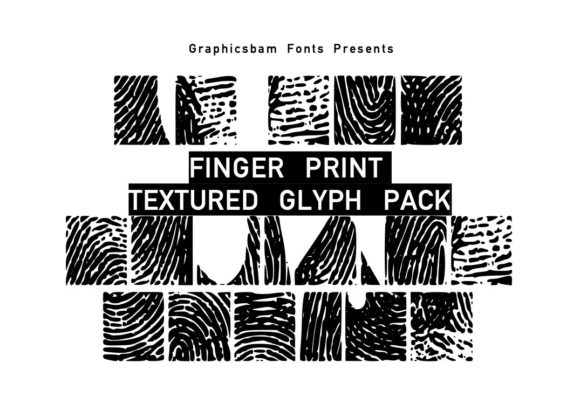
The Finger Prints Glyph Font is not your average typeface. It is a comprehensive design asset that moves beyond standard alphanumeric characters to offer a rich library of textures. At its core, it is a massive pack of glyphs featuring a set of finger and palm print type textures. This allows designers and creators to use it to enhance any natural design or craft project. Whether you are building a brand identity for a forensic-themed podcast, designing packaging for organic goods, or creating gritty textures for digital art, this font offers a unique visual language that speaks to authenticity and individuality.
Visual Appeal and The "Human" Element
What makes a font like this visually appealing is its ability to break the grid. Standard fonts, whether they are serif or sans serif, rely on clean lines and mathematical precision. The Finger Prints Glyph Font introduces controlled chaos. The swirls, loops, and arches inherent in fingerprint patterns create a complex visual texture that draws the eye. It captures the essence of "imperfection" that is often missing in vector design.
From a design perspective, this typeface acts as a bridge between modern typography and organic illustration. It doesn't just spell out words; it creates an atmosphere. The visual density of the glyphs allows them to be used as background textures, borders, or focal points in a layout. For designers looking to add a layer of depth to their work, the intricate patterns of the font provide a high-contrast element that works beautifully against solid colors or simple gradients. It is a premium font choice for those who want to move away from generic stock assets and create something truly bespoke.
Practical Applications for Branding and Packaging
When you are tasked with creating a visual identity, the typography you choose sets the tone before a single word is read. The Finger Prints Glyph Font offers specific utility for industries where identity, security, or the "human touch" is paramount.
Consider the following real-world applications:
- Logo Design and Brand Identity: For private investigators, cybersecurity firms, or legal consultancies, a fingerprint motif is a powerful symbol of truth and identity. Using this font to create a monogram or icon can instantly communicate trust and security. However, it also works surprisingly well for artisanal brands. A bakery or a pottery studio might use the texture to signify that every product is "hand-made" and unique.
- Packaging Design: In the competitive world of packaging, shelf appeal is everything. Using the glyphs as a background texture on a box or label adds a tactile quality that makes the customer want to reach out and touch the product. It is particularly effective for brands selling natural soaps, coffee, or leather goods, where the idea of a personal touch is a selling point.
- Editorial Layouts and Posters: Magazine covers and event posters need to grab attention instantly. A large, fingerprint-based background image can serve as a compelling backdrop for headlines. It provides a gritty, urban aesthetic that works well for music festivals, mystery novels, or true-crime editorial content.
Digital Presence: Websites, Social Media, and Marketing
In the digital realm, standing out is about more than just good copy; it's about visual consistency. A font like Finger Prints Glyph can be a secret weapon for content creators and marketers looking to establish a distinct visual language across multiple platforms.
For social media graphics, consistency is key to brand recognition. You can use the glyphs to create recurring background textures for your Instagram stories or Pinterest pins. Because the texture is so distinct, your audience will begin to recognize your content in their feed before they even read the caption. It creates a cohesive look that elevates your content from amateur to professional.
Regarding web design, loading times and readability are crucial. While you wouldn't use a dense fingerprint texture for your body copy (that would be a readability nightmare), it serves excellently as an accent. Use it for section dividers, footer backgrounds, or hero image overlays. It adds a layer of sophistication to a landing page without cluttering the user interface. For bloggers, using this font for pull quotes or chapter headers can break up long blocks of text and keep the reader engaged.
Furthermore, think about marketing assets such as business cards or email headers. A business card with a subtle watermark of a palm print texture feels expensive and thoughtful. It suggests that the business owner pays attention to details—a subliminal message that can help close a deal.
Integrating Texture into Your Workflow
Adopting a display font or a texture-heavy asset requires a shift in how you approach composition. It is not enough to simply swap out your Arial for the Finger Prints Glyph Font and hope for the best. You need to treat it as a design element in its own right.
One of the most common pitfalls with creative fonts is overuse. If you use the fingerprint texture for the headline, the sub-header, and the background, the design becomes muddy and illegible. The key is contrast. Pair the intricate, organic swirls of the fingerprint glyphs with a clean, geometric sans serif font for your body text. This allows the texture to shine without overwhelming the message. For example, a bold, blocky sans serif paired with a fingerprint texture creates a "tech-meets-nature" vibe that is very popular in modern design.
Another practical tip is to think about color. Fingerprint textures are naturally high-contrast (black on white), but they take on a new life when colorized. A deep navy texture on a light grey background feels corporate and serious. A neon pink texture on a black background feels edgy and youthful. Experimenting with the color overlay settings in your design software can yield results that look completely different from the original asset.
Licensing and Commercial Usage
For small business owners and entrepreneurs, the legal aspect of design assets is a critical consideration. Nothing halts a project faster than realizing you don't have the rights to use an image commercially. When investing in a premium font like the Finger Prints Glyph Font, it is essential to review the licensing terms.
Most high-quality font foundries offer different tiers of licenses. A "desktop" license usually covers print materials, logos, and merchandise. However, if you plan to use the font in a mobile app, a software interface, or as part of a digital product you sell (like a PDF template), you may need an "app" or "server" license. Always read the End User License Agreement (EULA). Ensuring your typography is legally cleared protects your business from liability and supports the independent type designers who create these tools.
Final Thoughts on Creative Assets
The Finger Prints Glyph Font is more than just a collection of swirls; it is a versatile tool for visual storytelling. It allows you to inject a sense of humanity, mystery, and texture into projects that might otherwise feel flat. By understanding how to balance its intricate patterns with clean typography, you can use it to build stronger brand identities, more engaging social media content, and packaging that truly stands out. Whether you are a designer crafting a logo for a security firm or a hobbyist making invitations for a mystery dinner party, this asset provides the visual complexity needed to make your work memorable.