Sweet Heart Font: A Designer's Guide to Romantic Typography
There's a particular challenge that comes with designing for moments of affection. How do you visually communicate warmth, intimacy, and care without crossing into territory that feels childish or insincere? This is the precise space where the Sweet Heart Font finds its purpose. It's a typeface crafted to carry emotion on its letterforms, offering a blend of sweetness and playful sophistication that can transform a standard project into something that feels genuinely personal and engaging. For designers, entrepreneurs, and creators, understanding how to wield such a font effectively is a valuable skill in creating connections through design.
Understanding Its Visual Character and Personality
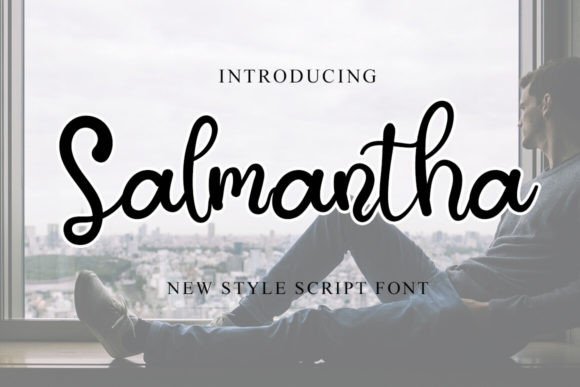
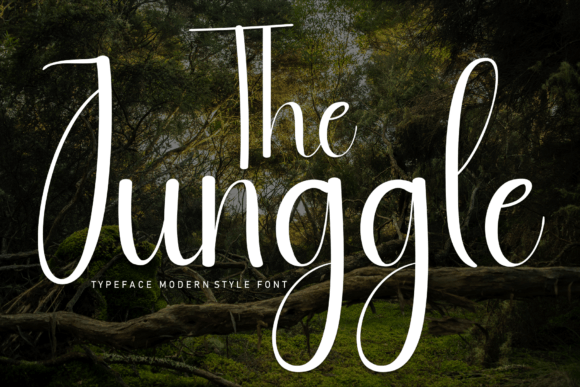
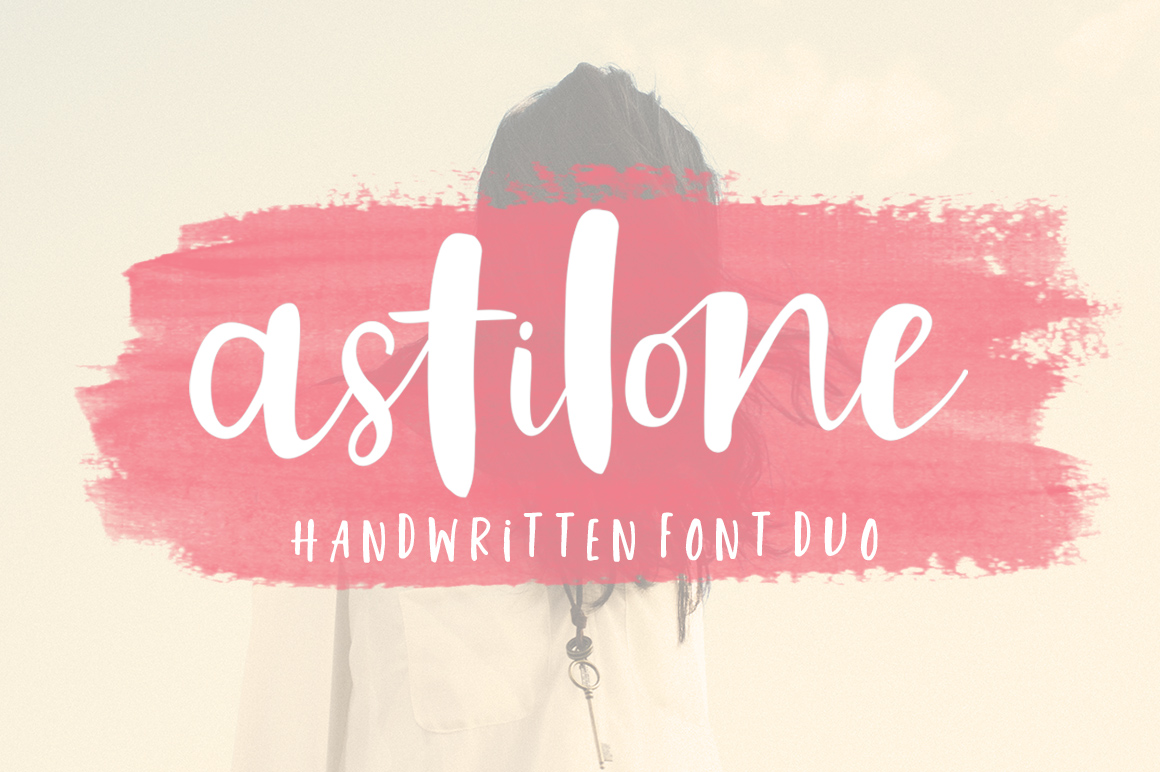
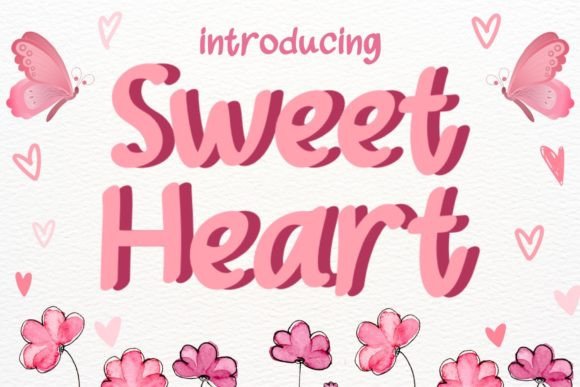
At its core, Sweet Heart is a script font with a distinctly handwritten font quality. Its letters flow with a casual, organic rhythm, avoiding the rigid geometry of many sans serif font families. The strokes have a gentle bounce and varying thickness, mimicking the natural pressure of a pen or marker. This gives it an authentic, human touch that feels approachable and warm. It’s not a formal calligraphy script, nor is it a rough, grungy lettering style. It occupies a sweet spot—pun intended—of legible charm.
Key characteristics include its connected letterforms, which create a sense of continuity and fluidity. The terminals often end with soft, rounded finishes rather than sharp points, contributing to its gentle aesthetic. While it functions beautifully as a display font for headlines, its design ensures that short phrases and names remain remarkably readable. This balance is crucial; a font can be beautiful, but if it sacrifices clarity for style, its real-world application becomes limited.
Practical Applications: From Wedding Invitations to Brand Identity
The true test of any premium font lies in its versatility. Where does Sweet Heart Font truly shine? Its personality makes it a natural fit for projects centered around love, celebration, and personal connection.
- Invitations & Event Materials: This is its most intuitive application. Wedding invitations, save-the-dates, bridal shower announcements, and Valentine's Day cards benefit immensely from its romantic flair. It sets an emotional tone immediately.
- Packaging & Product Design: Imagine this font on labels for artisanal chocolates, scented candles, boutique skincare products, or gourmet jams. It communicates craftsmanship, care, and a premium, small-batch sensibility.
- Logo Design & Brand Marks: For businesses in the wedding industry, bakeries, florists, jewelry designers, or even lifestyle blogs focused on relationships, Sweet Heart can form the core of a brand identity. It’s particularly effective when used for a brand name or monogram, paired with a cleaner serif font or sans serif font for body text.
- Social Media Graphics & Digital Content: In the fast-paced scroll of Instagram or Pinterest, a font with personality stops the thumb. Use it for quote graphics, promotional banners for sales like "Galentine's Day," or headers for blog posts about love, family, or self-care. Its warmth increases audience engagement.
- Web Design & Blogs: Used sparingly, it can add a touch of personality to a website. Think hero section taglines, "About Me" page headers, or section titles on a lifestyle blog. It helps in visual consistency if the brand's voice is friendly and personal.
- Print & Editorial Layouts: Beyond invitations, consider it for chapter titles in a romance novel, headers in a recipe book, or pull quotes in a magazine spread about relationships. It adds a layer of editorial design interest.
Making It Work: Pairing, Readability, and Professional Use
Adopting a new creative asset is about more than just liking how it looks in isolation. Successful implementation requires thoughtful pairing and practical testing. Sweet Heart Font, due to its strong personality, works best when it has room to breathe.
Font Pairing is Key: Avoid pairing it with another decorative or script font. The goal is contrast and hierarchy. A clean, geometric sans serif font like Montserrat or Poppins provides a modern, stable foundation. A classic, transitional serif font like Lora or Playfair Display can create an elegant, timeless combination. Always test your pairings at the actual size they will be used. What looks good as a title on a screen might become a tangled mess when printed small on a business card.
Readability Considerations: Never sacrifice clarity for style. Use Sweet Heart for headlines, short phrases, and accent text. For paragraphs of body copy, always revert to a highly legible serif or sans serif. Consider the medium: a slightly larger size and generous letter-spacing can improve readability on screens, while on print, ensure the paper stock and printing method won't cause the thin strokes to bleed together.
Licensing and Professionalism: If you're using this for a client project, merchandise for sale, or any commercial venture, verify the licensing. Most premium fonts come with a commercial license that permits this use, but it's a critical step to ensure you're operating legally and professionally. This is a mark of a serious designer or business owner.
Beyond Romance: Unexpected Contexts for a Sweet Typeface
While its name and style suggest romance, creative professionals often find surprising applications for typefaces like this. Could it work for a children's boutique? Absolutely. For a podcast about heartfelt storytelling? Certainly. For the branding of a community-focused coffee shop or a yoga studio emphasizing mindfulness and connection? Yes, because the underlying quality isn't just "love" in the romantic sense—it's warmth, approachability, and human connection.
The challenge and the opportunity lie in context. The same font that says "I do" on a wedding invite can say "Welcome home" on a café chalkboard. It's about aligning the font's inherent personality with the core message and values of the project. This is where a designer's strategic thinking transforms a simple typeface into a powerful tool for communication.
Ultimately, Sweet Heart Font is more than just a collection of pretty letters. It's a design asset that carries an emotional payload. Used thoughtfully, it can soften a brand's image, add intimacy to a layout, and create a memorable visual hook. Its value isn't just in its aesthetic appeal, but in its ability to help you tell a more nuanced, engaging, and human story through your designs. Whether you're crafting a one-time invitation or building a comprehensive brand identity, it offers a specific voice that, when matched to the right project, can resonate deeply with your intended audience.